01
Stabilize
The pause right after bad news, before you react. It prevents the impulsive, regrettable responses that damage relationships and decisions.
 Book a Workshop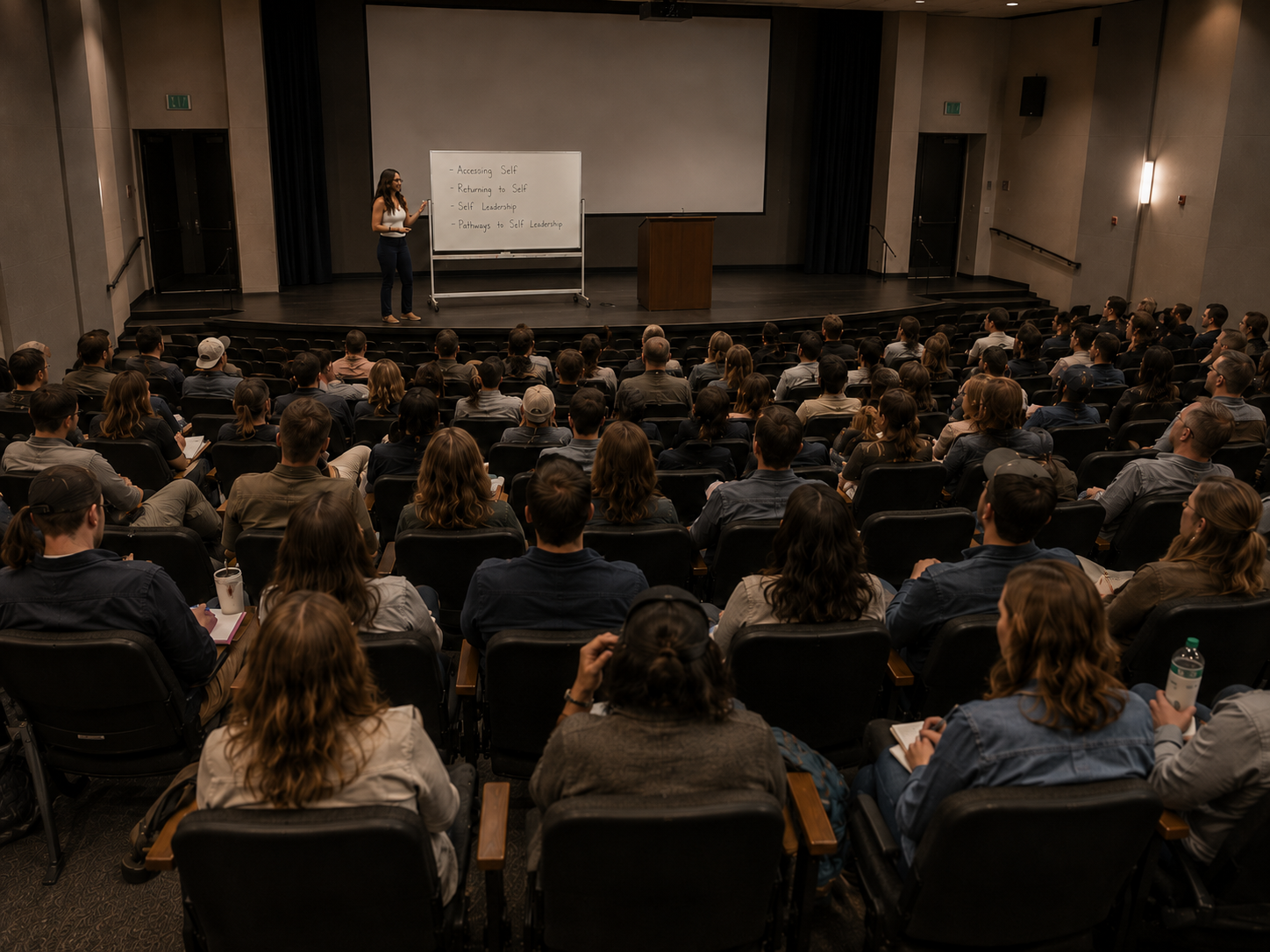
A keynote that gives your people a real-time skill for staying steady, clear, and effective when the pressure is on. Less burnout, better recovery, and fewer costly decisions made under stress.
It's caused by pressure without recovery, compounding over time. That is the single biggest lever against it, and it is trainable.
Replacing an employee typically costs half to twice their salary once you count recruiting, onboarding, and lost productivity.
Chronic pressure without recovery drives absenteeism, errors, and reduced output across a team.
A dysregulated nervous system makes worse calls in exactly the high-stakes moments that matter most.
Leaders who communicate with more authenticity and humanity in the workplace keep teams connected and engaged.
Most programs teach general calm. This teaches a specific, structured protocol for the actual moment things go sideways.
A 60 minute keynote for groups of 3 to 300
What happens under a heavy barbell doesn't stay under a heavy barbell. This interactive workshop uses the familiar experience of strength training to explore how we respond under pressure, both in the gym and in everyday life. Through stories, reflection, discussion, and practical exercises, participants learn the Corestead Method, a four-phase framework for recognizing patterns, building capacity, and finding their way back to themselves when things get heavy. No workout. No fitness level required. Just curiosity.
60 minutes, in person or adapted virtually.
Seated groups of 3 to 300. Minimal participation.
No athletic or fitness background required.
A shared language for hard moments and a protocol people actually use.
Also available: two alternate framings of the same talk. "The Return" for retention and engagement, and "Data, Not Verdict" for change management. One flagship, three angles.
The pause right after bad news, before you react. It prevents the impulsive, regrettable responses that damage relationships and decisions.
Hearing feedback as data, not a verdict on your worth. This is what lets people actually receive coaching, criticism, and change.
Organized, directed action instead of freezing or overreacting. This is where good decisions under pressure happen.
Carrying the lesson forward instead of repeating it. The difference between the same mistake on repeat and genuinely getting better under pressure.
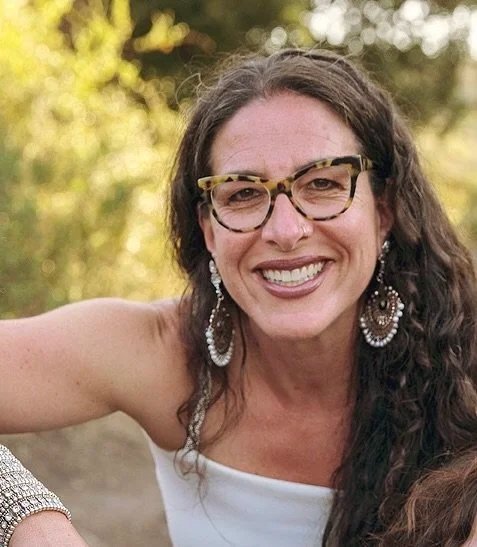
Emily Frydrych is a sociology professor and the founder of Corestead, a self-leadership framework that uses the gym as a laboratory for navigating pressure. After noticing that the same internal patterns showing up under a heavy barbell were also showing up in leadership, relationships, parenting, and everyday life, she developed the Corestead Method to help people build the capacity to stay with themselves under load.
Read Full Bio